
Trucking liability, especially Bus Company Liability Cases Brooklyn, is a complex legal area in high-population areas like The Bronx due to frequent accidents caused by factors like driver fatigue and mechanical failures. Court decisions in Brooklyn and New York City influence national handling of such cases. The Bronx's status as a transportation hub contributes to a high number of bus-related incidents, with liability determined by negligence, harm severity, safety records, and insurance coverage. Brooklyn's vibrant transport network has set precedents for bus company accountability, leading to higher standards and proactive risk management techniques in the industry.
In the dynamic landscape of New York City, The Bronx plays a vital role in bus company litigation due to its dense population and bustling transportation networks. This article delves into “Trucking Liability The Bronx,” exploring key aspects of bus company liability cases from a legal perspective. We analyze the unique challenges faced by operators navigating complex regulations and public expectations. Using real-world examples, including case studies from Brooklyn, we provide insights into risk mitigation strategies essential for ensuring safe and compliant operations in this intricate environment.
- Understanding Trucking Liability: A Legal Perspective
- The Bronx's Role in Bus Company Litigation
- Key Factors in Bus Company Liability Cases
- Case Studies: Brooklyn's Impact on Transportation Law
- Navigating Risk Mitigation Strategies for Bus Companies
Understanding Trucking Liability: A Legal Perspective
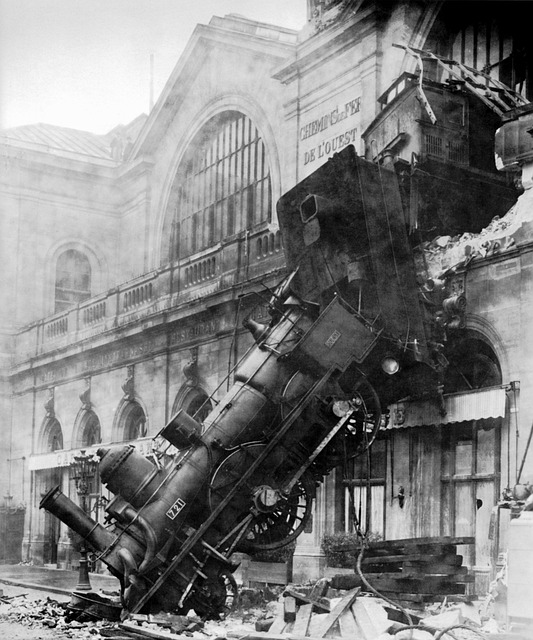
Trucking liability, particularly in high-populated areas like The Bronx, involves a complex web of legal considerations. When it comes to bus company liability cases in Brooklyn or any urban center, understanding the nuances is paramount. Each year, countless accidents involving trucks and buses occur due to various factors, from driver fatigue to mechanical failures. These incidents can result in severe injuries, property damage, and even fatalities.
From a legal perspective, establishing liability in bus company liability cases requires meticulous investigation and evidence. Laws governing trucking liability vary across jurisdictions but generally hold bus companies, drivers, and sometimes even shippers responsible for ensuring the safety of goods and passengers. Court decisions in Brooklyn and other New York City boroughs have shaped these regulations, setting precedents that impact how similar cases are handled nationwide.
The Bronx's Role in Bus Company Litigation

The Bronx, known for its vibrant and bustling streets, has played a significant role in shaping bus company liability cases in New York City. Its strategic location as a major transportation hub makes it a common site for various traffic incidents involving buses, leading to an increased number of legal disputes. Many bus company liability cases originate from accidents occurring within the Bronx’s dense urban landscape, where navigating through heavy traffic and complex intersections can pose significant challenges.
These cases often involve personal injury claims resulting from bus driver negligence, mechanical failures, or collisions with other vehicles. The Bronx’s court system has been instrumental in resolving such disputes, offering a platform for victims to seek compensation and holding bus companies accountable for their operations within the borough. Brooklyn, another major transit center, also contributes to this legal landscape, as many bus routes connect the two boroughs, increasing the potential for incidents and subsequent litigation.
Key Factors in Bus Company Liability Cases
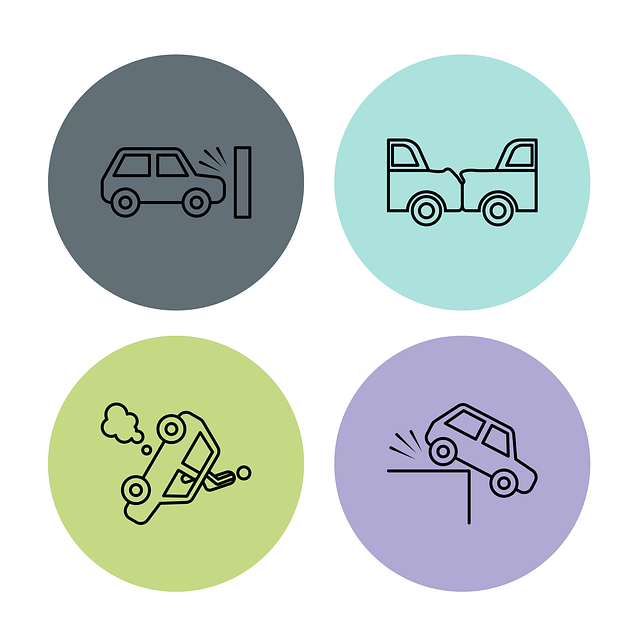
In Bus Company Liability Cases Brooklyn, several key factors significantly influence the outcome of legal proceedings. First and foremost, establishing fault is crucial. Courts will examine whether the bus company or its employees exhibited negligence, such as unsafe driving practices, inadequate training, or maintenance oversight. The extent of harm caused to passengers or bystanders also plays a pivotal role; severe injuries or fatalities typically lead to higher damages.
Additionally, the legal context considers the company’s safety record and previous incidents, if any. Evidence of recurring issues or violations can strengthen arguments against the bus company. Furthermore, insurance coverage and liability limits are essential factors in determining compensation. Bus companies operating in high-risk areas like Brooklyn must ensure adequate insurance to mitigate potential financial burdens arising from bus company liability cases.
Case Studies: Brooklyn's Impact on Transportation Law

Brooklyn, with its bustling streets and complex transportation network, has played a significant role in shaping bus company liability cases across New York City, including The Bronx. The city’s dense population and high volume of foot traffic present unique challenges for commercial vehicles, leading to an increased focus on safety regulations and legal repercussions for negligence. Numerous case studies stemming from Brooklyn have set precedents for truck and bus company accountability.
These real-world scenarios often involve incidents such as vehicle collisions at busy intersections or accidents caused by driver fatigue. The resulting lawsuits not only highlight the financial implications but also drive the need for better training programs, stricter enforcement of safety standards, and more robust insurance policies within the industry. As a result, bus companies operating in Brooklyn and The Bronx are now held to higher standards, ensuring safer operations and potentially preventing future accidents.
Navigating Risk Mitigation Strategies for Bus Companies

Navigating risk mitigation strategies is paramount for bus companies operating in high-density urban areas like Brooklyn, where accidents and liability cases are more frequent. Implementing robust safety protocols, regular vehicle maintenance, and driver training programs can significantly reduce the likelihood of incidents. These measures not only ensure compliance with local regulations but also foster a culture of safety among employees, minimizing potential risks on the road.
Additionally, bus companies should consider proactive risk management techniques, such as utilizing advanced tracking systems to monitor driver behavior and vehicle performance in real-time. This data can help identify areas for improvement and prevent accidents before they occur. Moreover, establishing clear insurance policies and contingency plans is crucial, ensuring that the company is adequately protected in the event of a liability case involving bus accidents in Brooklyn or any other part of New York City.
In conclusion, understanding trucking liability, especially in densely populated areas like The Bronx and Brooklyn, is paramount for bus companies to navigate legal risks effectively. By recognizing key factors in liability cases and adopting robust risk mitigation strategies, these companies can ensure safer operations and mitigate potential financial burdens. The insights from case studies highlight the evolving landscape of transportation law, underscoring the need for proactive measures to protect both businesses and passengers alike.